
Unexpected, Surprising Zagreb

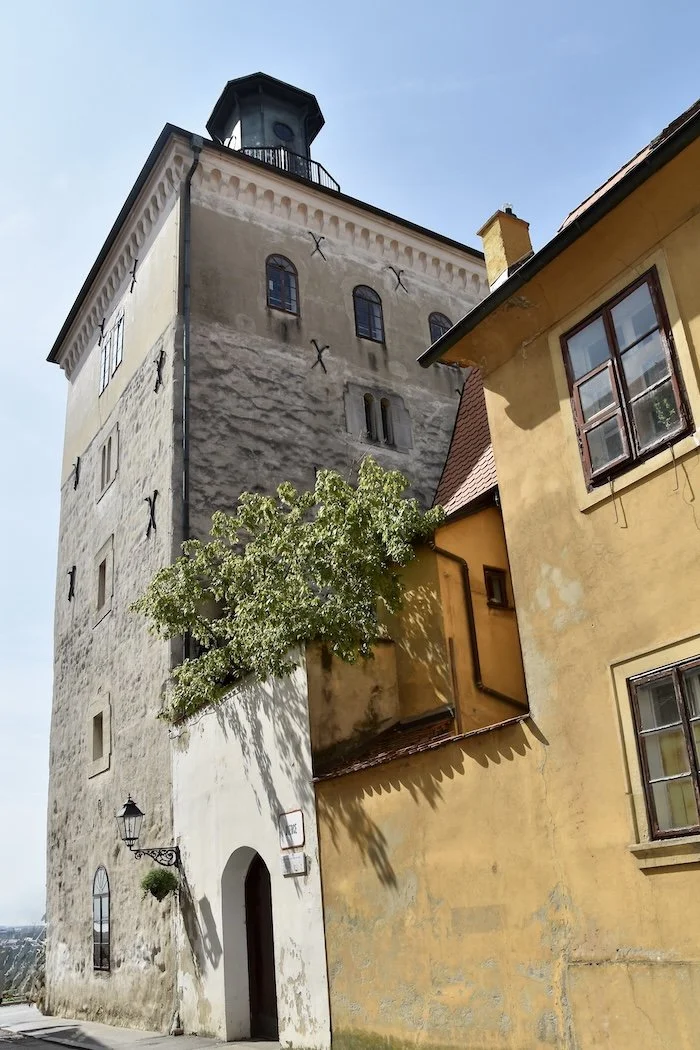
Zagreb’s Upper Town seen from Lotrscek Tower
“Expect Nothing. Live frugally on surprise.” – Alice Walker
Croatia’s surprising capital city, Zagreb, is often overlooked by travelers in favor of the stunning Dalmatian coast and Adriatic islands. Yet this unexpectedly exhilarating city is not only the birthplace of Nikola Tesla, but also like a phoenix rising from the destruction of successive invasions and earthquakes. Visible signs of the most recent earthquake of 2021 stretch from the hills of the ancient Upper Town to newer Lower Town sections in the valley. Therefore, the expected city buzz is augmented by extensive but encouraging rebuilding works.
Nestled between the Sava River and Medvednica mountain, the present-day city dates to 1094. Two medieval settlements, Kaptol, inhabited by clergy, and Gradec, inhabited by craftsmen and merchants, thrived, yet sparred, over centuries on adjacent hills divided by the Medvescak stream. Gradec was declared a royal free city in 1242, yet it wasn’t until 600 years later that the two city parts were united when the stream was filled in, the planned Lower Town, Donji Grad, was added, and the ancient Catholic diocese of Zagreb’s title became the city’s official name.
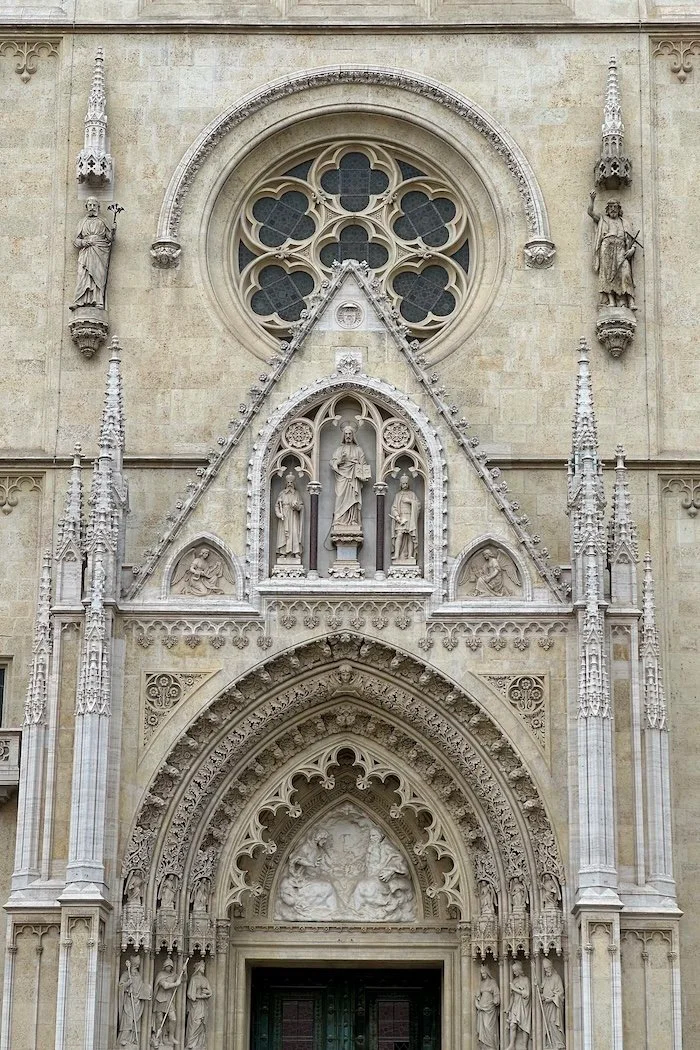
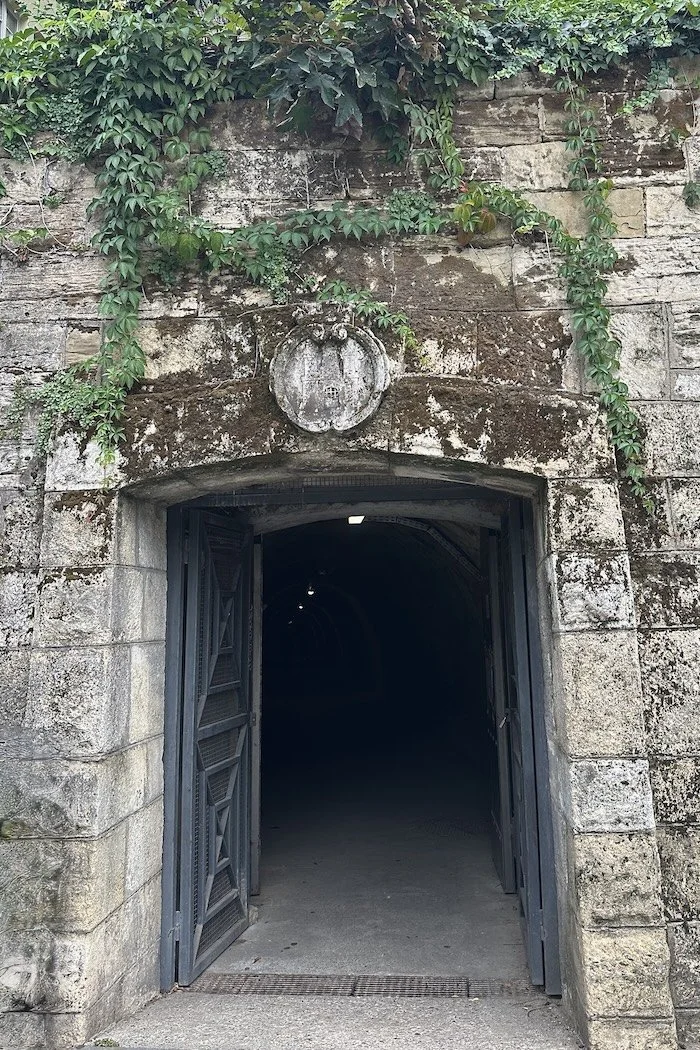
The narrow, cobbled streets of the Upper Town, Kaptol and Gradec, hold historic landmarks, ancient monasteries, stunning architecture, a secluded park along ancient fortifications, and 214 manually-lit gas lanterns. On the main square in Kaptol Street stands Zagreb’s tallest building, the Cathedral of the Assumption of the Blessed Virgin Mary. The monumental neo-Gothic church survived 13th-century Tartar attacks and the 1880 earthquake, but both 105-meter-high (345 feet) towers were lost in the 2021 earthquake and remain under construction.
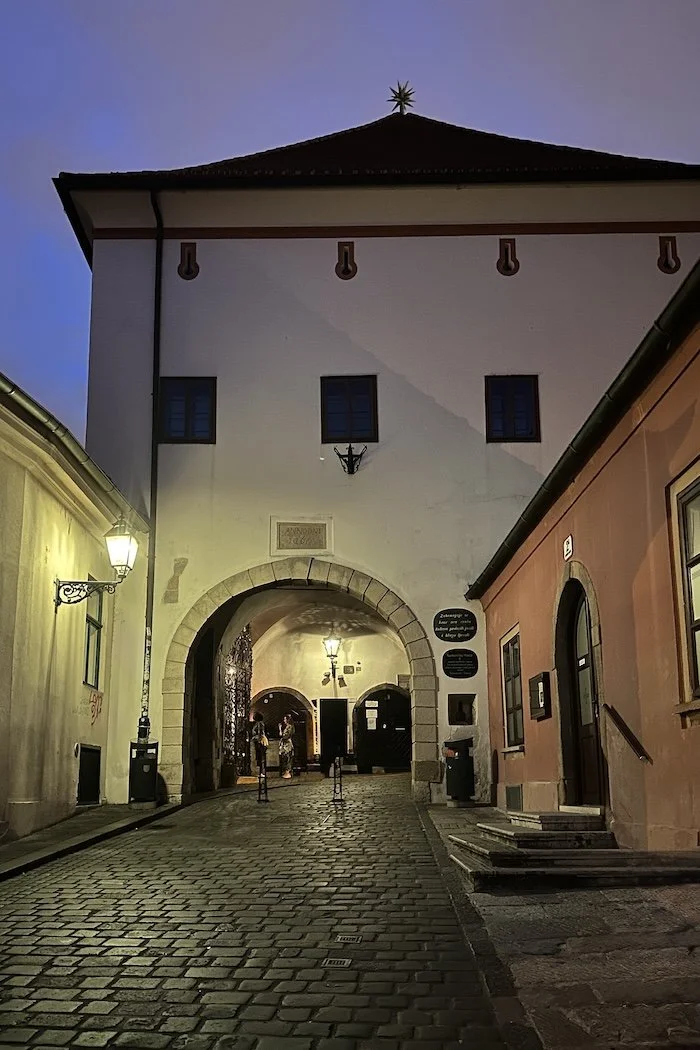
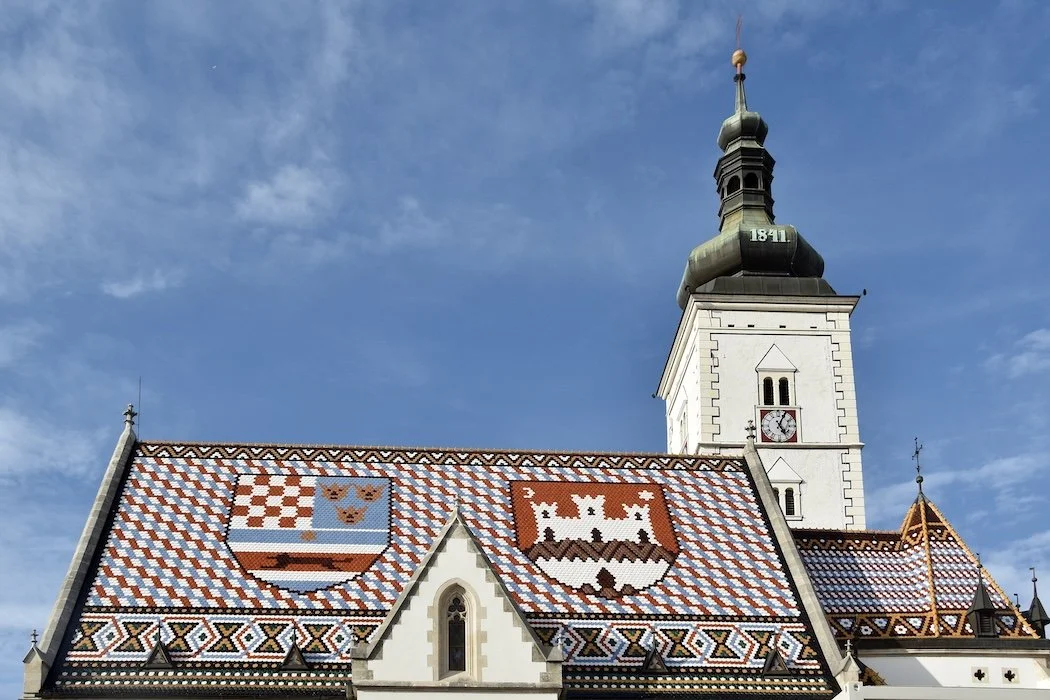
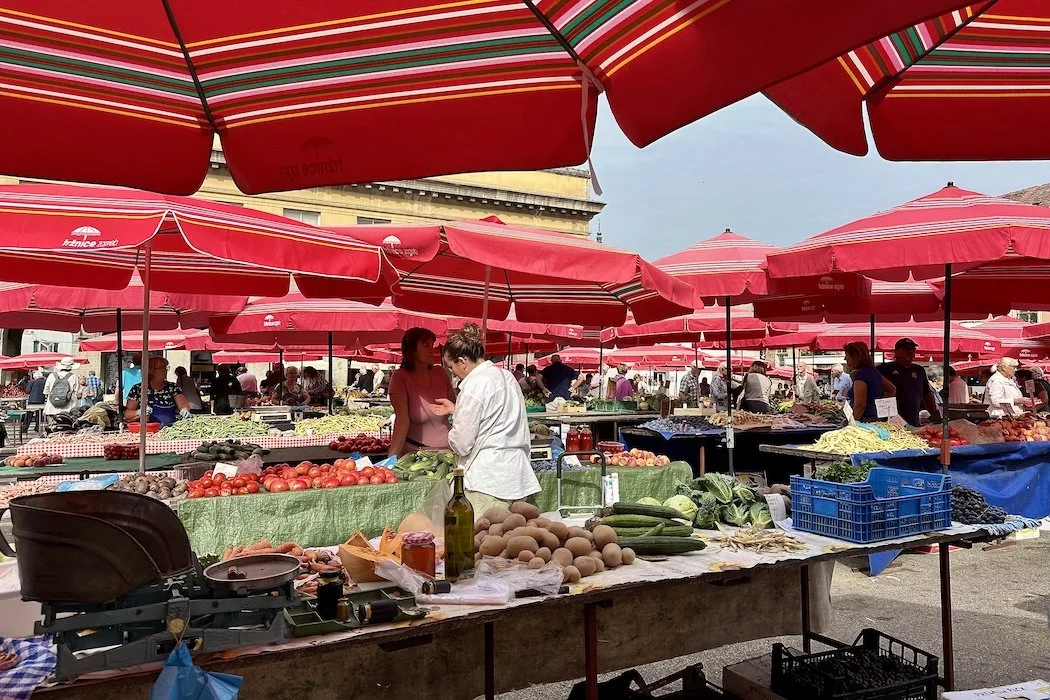
Nearby, the lively, colorful Dolac open-air Farmers Market boasts more than 80 years of tradition. Here, residents buy their produce just above the start of Tkalciceva Street, up a stairway north of Ban Jelacic Square. Tkalciceva, once the dividing stream and then a red-light district, is now a vibrant pedestrian street filled with small boutiques, traditional shops, and cafés. From there, one way to Gradec is through the only remaining of the four medieval entrances in Zagreb’s fortifications, the Stone Gate. Pedestrians proceed quietly because the gate houses an important shrine to Mother Mary. On Saint Mark’s Square, the church, a symbol of the city with its vividly tiled roof, shares space with the Croatian Parliament, the government seat, and several museums.
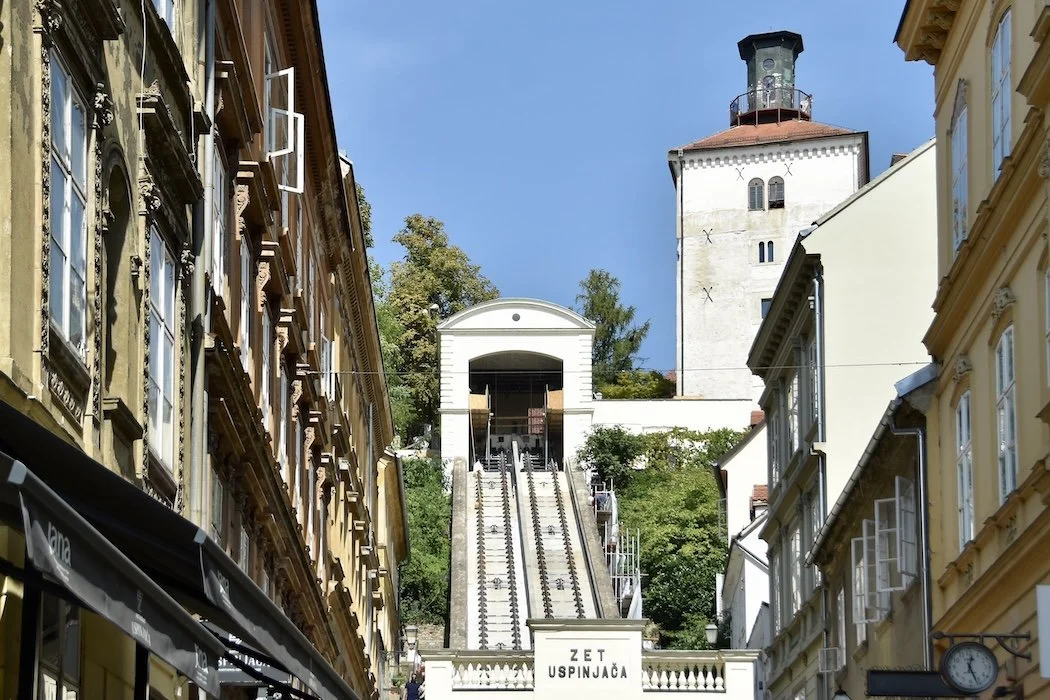
Of Zagreb’s countless noteworthy museums, the most curious is the Museum of Broken Relationships. This popular spot is a collection of objects donated by people from around the world to illustrate their emotional stories. The nearby Lotrscak Tower, the best-preserved part of the city fortifications, offers panoramic views, and the opportunity to hear the Gric cannon’s daily noon shot. The adjacent Strossmayer Promenade leads, in one direction, along former defensive walls overlooking Donji Grad below, and, in the other, to Gric Park, a graveyard during the Ottoman sieges, “when fear almost emptied the city and the fields were tilled at night”. Alternatively, from Lotrscak Tower, Zagreb’s short funicular travels down to the main pedestrian shopping thoroughfare, Ilica.
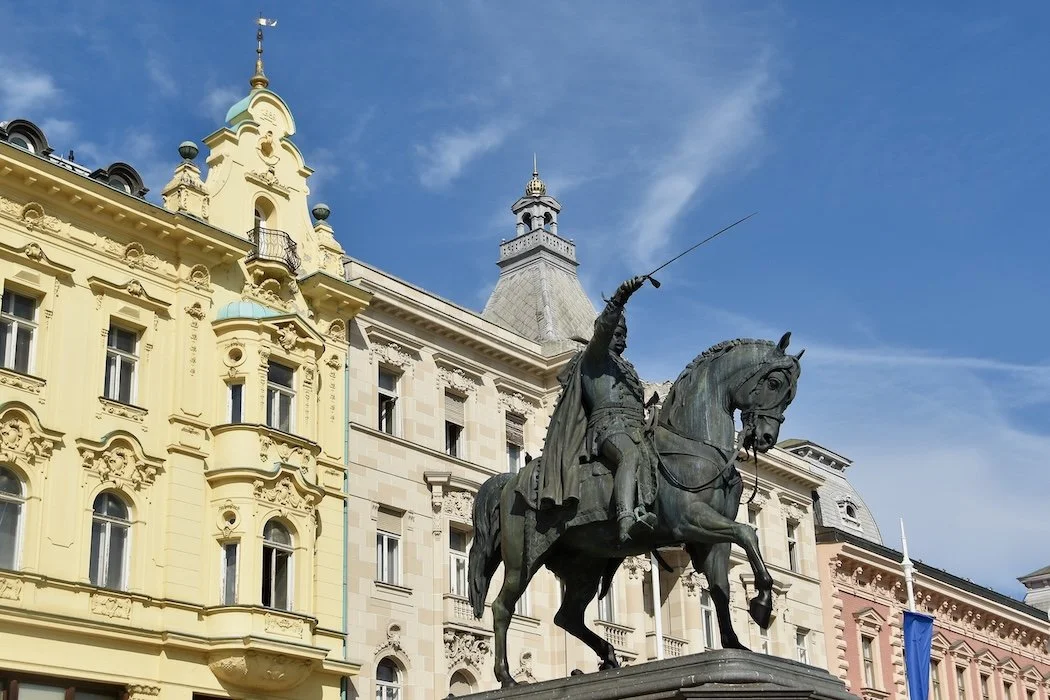
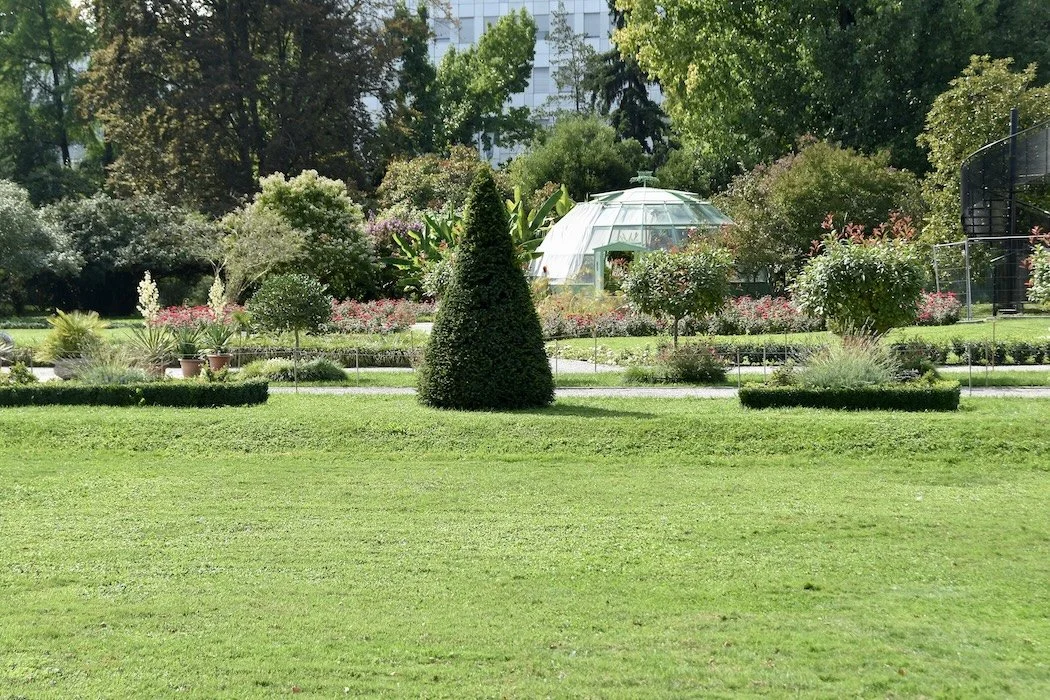
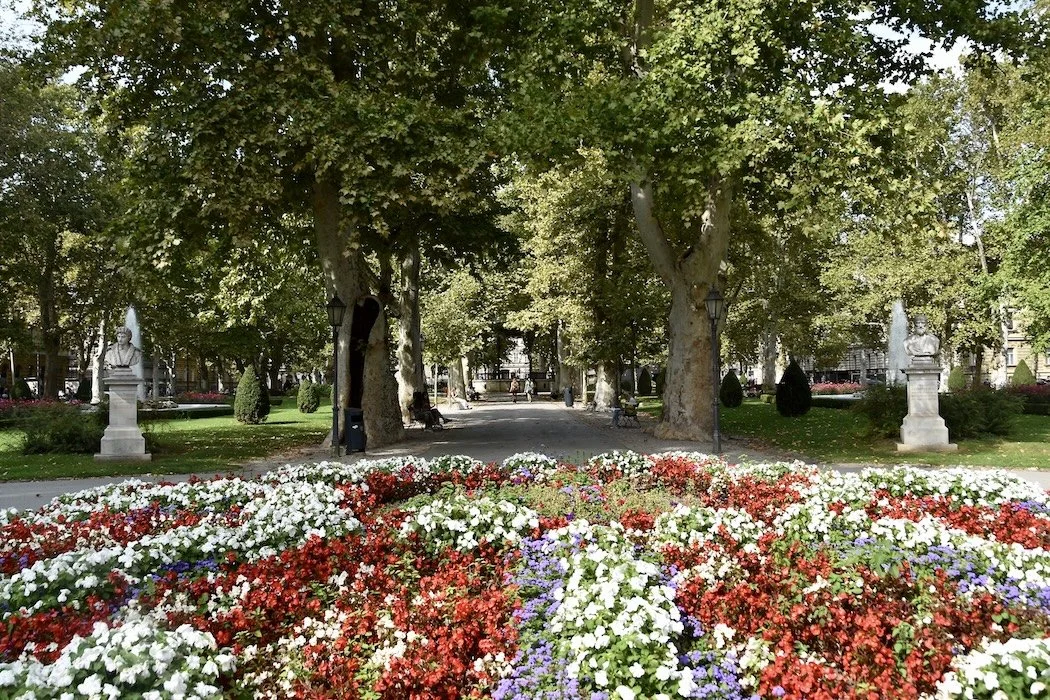
As bustling as Zagreb is, relaxing spots are plentiful. The leafy Zrinjevac Park is one such respite from the city’s hum. Surrounded by historic and architecturally beautiful buildings such as the Supreme Court, Archeological Museum, Academy of Sciences, and Ministry of Foreign Affairs, the park features a 19th-century music pavilion and “The Mushroom” fountain by Herman Bollé. Another peaceful green spot is the nearby delightful Botanic Garden.
Don’t Miss:
Going up Lotrscak Tower for a view of the city and northern hills.
Serendipity:
Finding the unexpected- reaching the top of Lotrscak Tower just moments before the 12noon cannon firing.
Lunch Tip:
Le Bistro sidewalk grill at the Esplanade Hotel, between the Botanic Garden and main station, for Croatian specialties with an international twist.
Rest stop Tip:
Vincek Pastry Shop on Ilica in the city center, for homemade gelato or cake.
Dinner Tip:
Vinodol Restaurant on Cvjetni Trg Square for superb Croatian dishes.
Bedtime:
Le Premier Boutique Hotel, an elegant former palace in the old city, in walking distance to everything.
Subscribe for inspiration to have my posts drop directly into your inbox. *If you enjoyed what you read, please share this post with like-minded travelers.*
*All photographs are mine, taken with my Nikon D5600 or iPhone 14 Pro.*