
Gdansk, Poland’s overlooked Gem

View of St. Mary’s Basilica and Gdansk Main City from City Hall Tower
“I have discovered a gem… relatively unknown…” ― Carol Drinkwater
The Baltic Sea port of Gdansk, one of Poland’s oldest cities, is decidedly underrated, yet it has been a culturally diverse, cosmopolitan gem for centuries. The capital of Pomeranian Province, Poland’s major seaport lies at the mouth of the Rivers Motlawa and Vistula at the Gdansk Bay, and is the 1980 birthplace of the Solidarity trade union. Founded in the 980s by Mieszko I, Duke of Poland, Gdansk grew into a trading town that shifted often between Polish and Teutonic control. In 1361, Gdansk joined the Hanseatic League of trading cities, affording it tight connections to other renowned Hanseatic cities throughout the Middle Ages, from Tallinn, Estonia, and Visby, Sweden, to Rostock, Germany, and beyond.
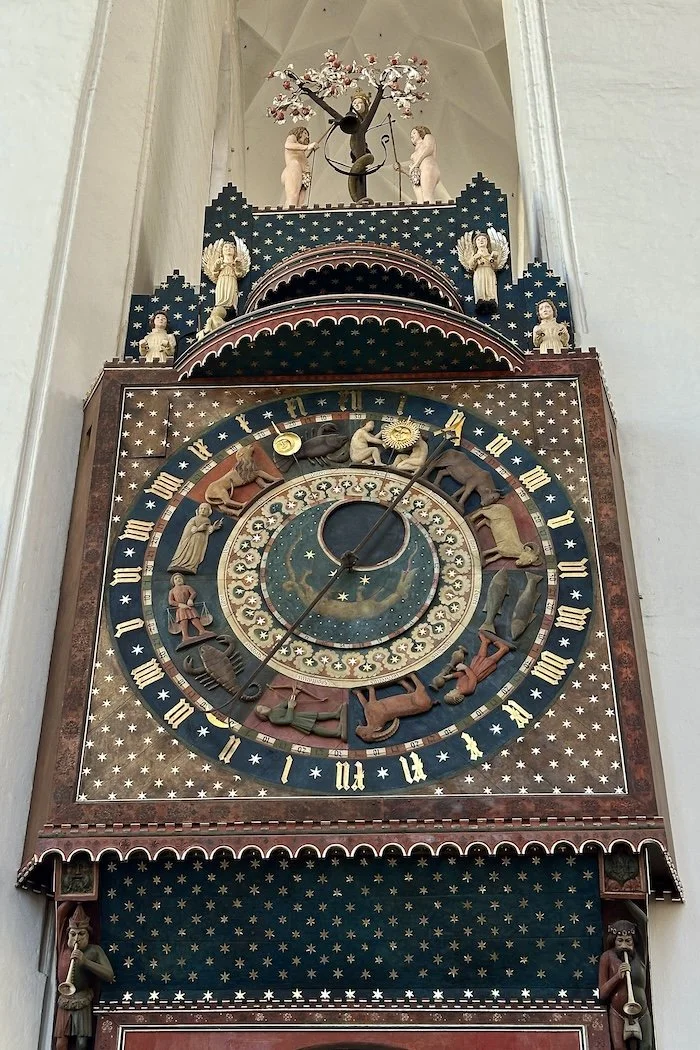
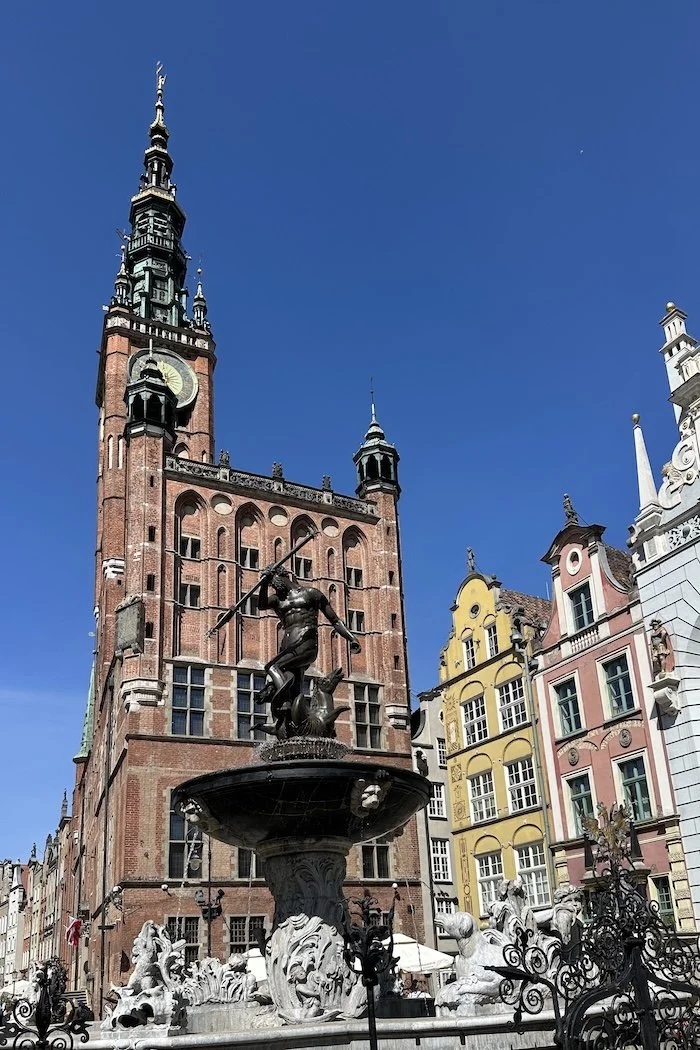
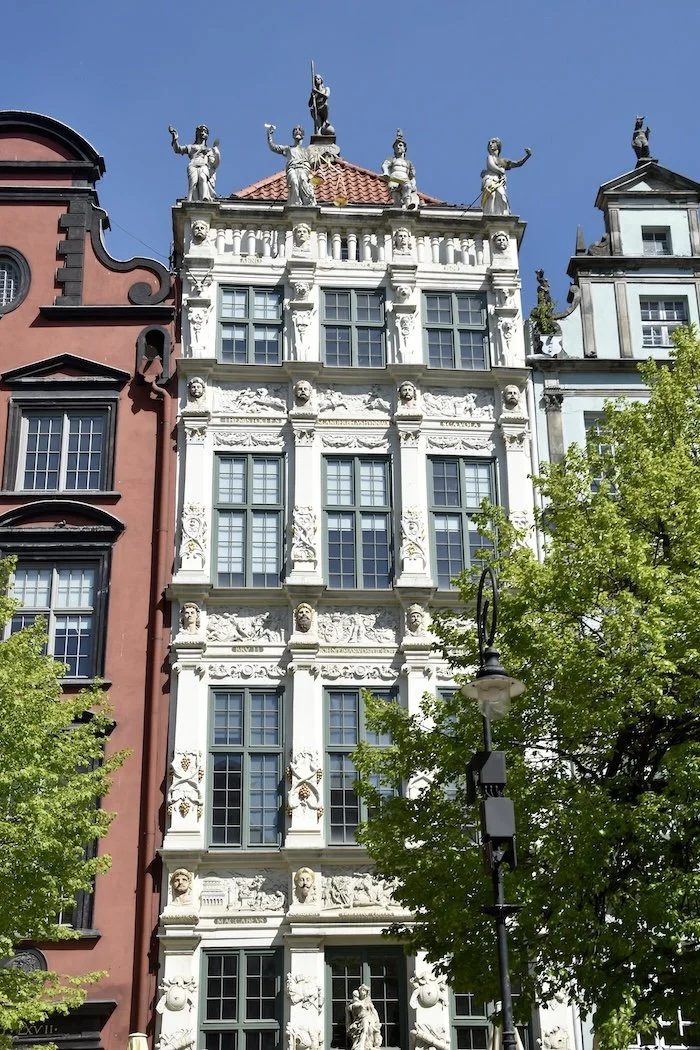

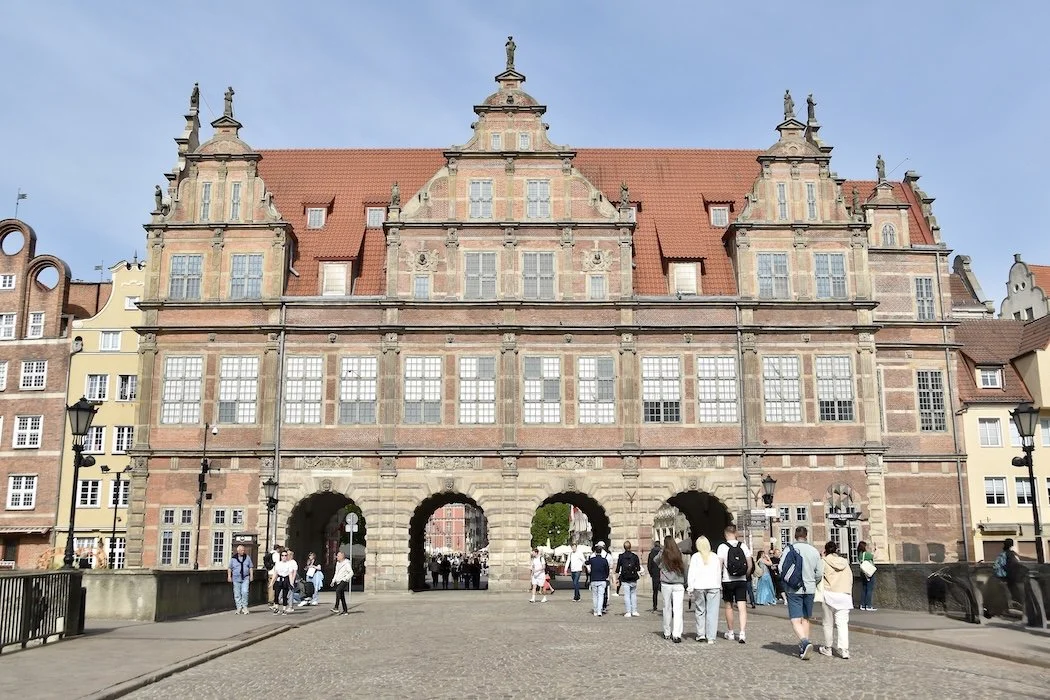
The historic Main City suffered large-scale destruction in WWII and was rebuilt in a style that dilutes German character and rather emphasizes Flemish, Italian, and French influences. On Dluga (Long Street), the main pedestrian throughfare, rows of beautiful gabled houses, each different from the next, with their intricately chiseled stone door surrounds, painted facades, and ornamental ironwork lanterns at every street corner, are a joy to stroll past. Dluga is bookended by the Green Gate at the river and the Upland Gate, with the Renaissance Golden Gate and the Foregate Complex, including a torture chamber, in between.
In the middle, Dluga widens into Long Market. There, the Neptune Fountain stands before Artus Court, where merchants met, and the ornate brick Town Hall, the seat of city authorities who presided in the lavish Great Council Hall. Climb the tower for splendid views over the city and beyond. Along the stairs hang carillon bells, among the first outside of their origin country, the Netherlands. Affordable only for the richest medieval cities, these were first played in 1561. Around the corner, St. Mary’s Basilica, the largest brick church in the world, took more than 150 years to build and affords another view 405 steps up the steeple.
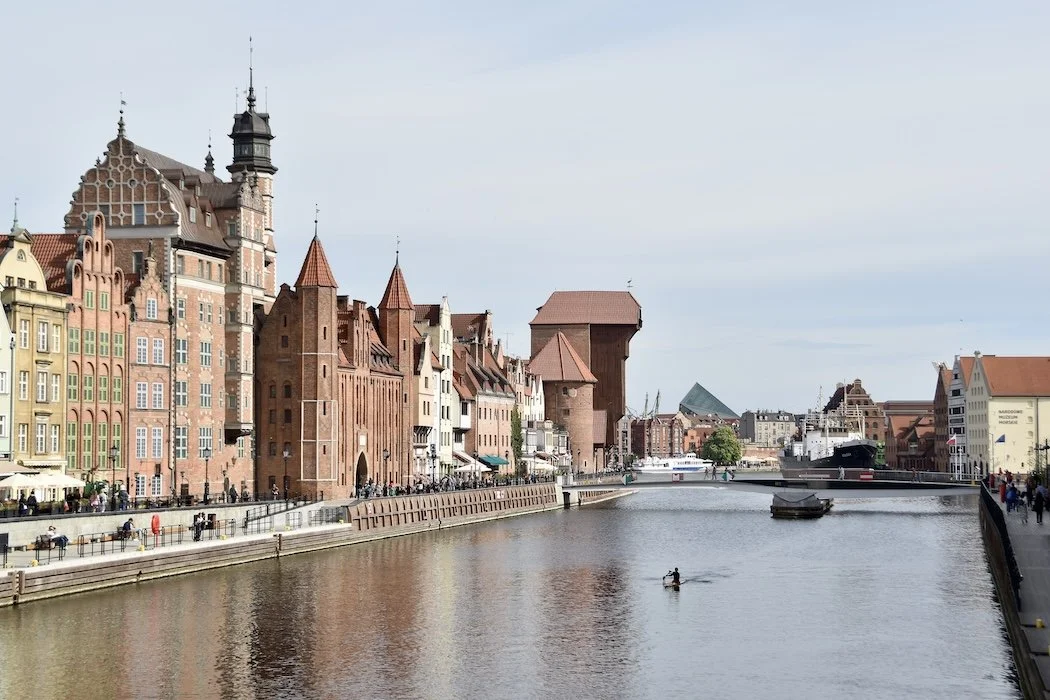
Along the picturesque riverfront promenade, among ancient granaries turned hotels and restaurants, the largest medieval port crane, the Gdansk Crane, was completed in 1444. Used to hoist beer and wine barrels, stone and ship masts, it now houses the National Maritime Museum. Through Venders Gate, Mariacka Street, parallel to Long Street, with its amber sellers and intimate vibe, leads uphill to the magnificent Great Armory, today the Academy of Fine Arts.
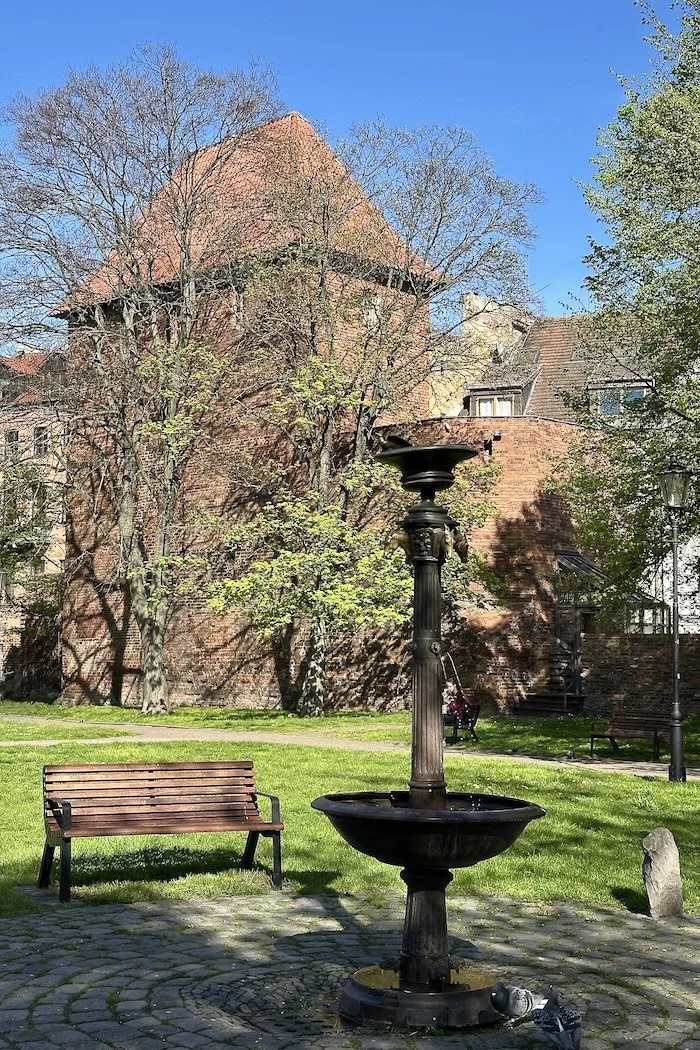


Gdansk’s city walls partially remain, lined with a leafy park and sprinkled with statues. Close by, the ancient Grand Mill houses a fascinating Amber Museum. Displays include amazing examples of the fossilized tree resin, many harvested from the Baltic, some as they were found, others worked into jewelry, art objects, and masterpieces of craftsmanship. The most amazing piece is an electric Fender Stratocaster guitar built in 1954 by Polish musician Walenty Rybak. The nearby market hall, Hala Targawa, was built in 1896 to consolidate scattered street markets into one location and expand trade to daily. Built on the foundations of Gdansk’s oldest Romanesque church, the market’s exotic smells provided a loud, colorful exception to a gray world during the communist era.
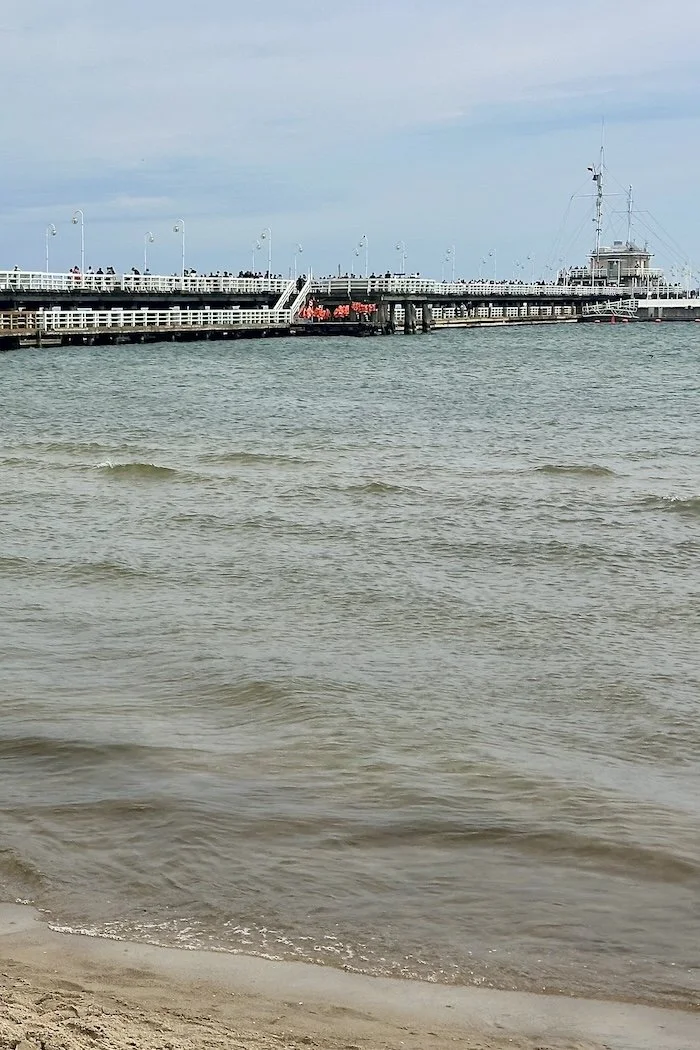
From the central station, a leisurely 40-minute train ride to the fashionable Baltic Sea resort of Sopot is a worthwhile trip. The gently sloping beach, a long wooden pier, elegant beach hotels, and beautiful gardens with fountains lure locals for weekend recreation.
Don’t Miss:
Taking a slow walk up and down Dluga Street to admire the gabled houses.
Serendipity:
Finding the unexpected- Being curious about a green door and discovering a museum of the daily life of a wealthy merchant family during the 1700s in Uphagen House.
Lunch Tip:
The Grand Hotel at the seaside in Sopot for excellent food in a landmark setting.
Dinner Tip:
True Restaurant on Granary Island for surf and turf with a riverside view.
Bedtime:
Hotel Gdansk Boutique, in an old granary on the River Motlawa.
Subscribe for inspiration to have my posts drop directly into your inbox. *If you enjoyed what you read, please share this post with like-minded travelers.*
*All photographs are mine, taken with my Nikon D5600 or iPhone 14 Pro.*